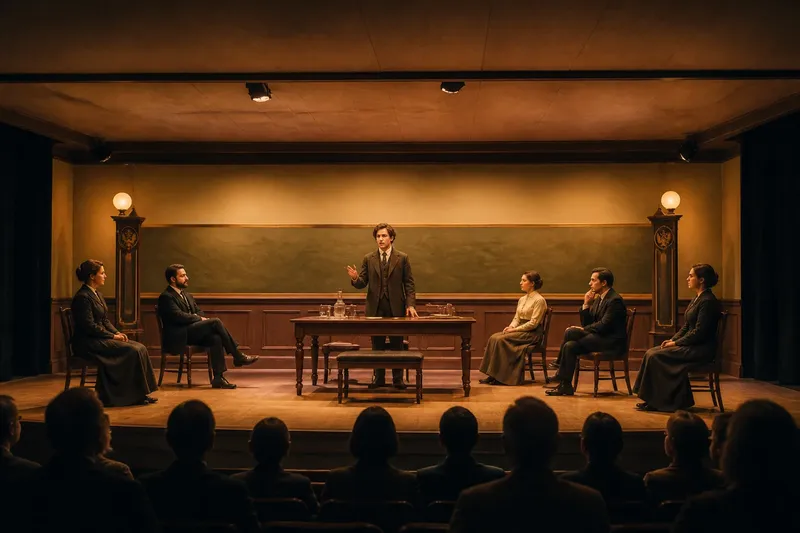
How Audiences Followed a Play Before Printed Programmes
Learn how audiences followed a play before printed programmes, through spoken cues, familiar stories, visible signs, and the shared energy of a live room.
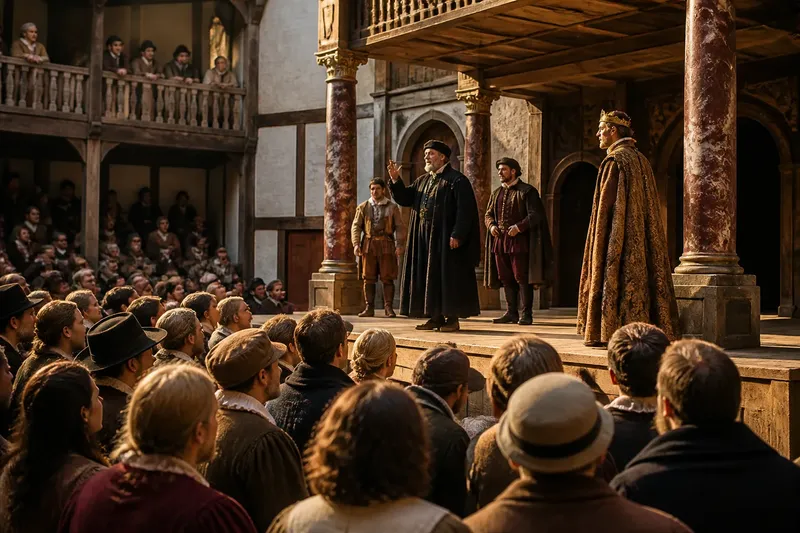
How did audiences follow a play before printed programmes? In English theaters of the early modern period, spectators could draw on familiar stories, spoken cues, visible stage signs, and the reactions of the people around them. Those supports varied by play, venue, and audience; they were not a single system shared by everyone.
The distinction matters. A familiar tale might orient some spectators, while a newcomer needed a name or relationship spoken aloud. Actors and playwrights could offer clues, but a production did not have to explain every detail before the action began.
Familiar stories offered context, not a shared script
Plays could draw on biblical narratives, classical stories, chronicles, legends, and popular tales circulated through speech and print. An audience member who recognized a source might anticipate a character’s arrival or understand the stakes sooner. Someone unfamiliar with it could still follow the immediate scene if the performance made its action clear.
Knowledge was uneven, even among people watching the same play. One spectator might know a story in detail; another might recognize only a name or a broad outline. A production could use that range to its advantage: familiar material supplied resonance, while clear dialogue kept the present action legible.
Imagine a play opens with a ruler returning from exile. A spectator who knows the tale may recognize the political stakes at once. If the first exchange also names the ruler’s lost position and destination, a newcomer gets enough context to follow the immediate conflict without a full account of the backstory.
Spoken openings and dialogue supplied useful clues
A prologue or opening address could name a subject, establish a tone, ask for attention, or prepare the audience for the kind of story ahead. It did not need to function like a cast list or explain every turn. Its job could be as modest as giving listeners a place to begin.
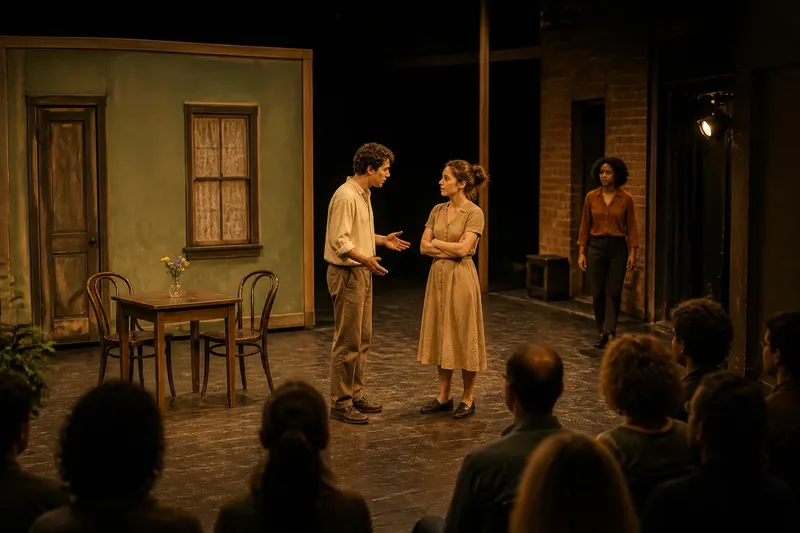
Within a scene, dialogue could identify a character through a name, title, family connection, location, or purpose. Such cues helped when costume and distance made identities hard to read. Repeating a name could also orient someone who had missed an earlier line, provided the repetition sounded natural.
For a production inspired by historical practice, mark the lines that carry essential information. Ask who says each one and why. A line that sounds like a character’s urgent explanation will feel different from a direct address to the audience, and that difference shapes how spectators receive it.
Costume, gesture, and stage conventions made meaning visible
Speech was only one source of information. A crown might signal authority, a letter could set events in motion, and a change in posture might distinguish a servant from a ruler. These signs helped when they were visible at the moment they mattered; a symbol hidden behind another actor could not do much work.
Performance conventions added another layer. A character speaking alone might share thoughts with the audience that other characters could not hear. Direct address could make spectators feel like confidants. Changes in focus, voice, or movement could signal a shift in the scene’s terms.
These conventions were not automatic passwords. A quietly delivered aside could be missed, and an unfamiliar object might not communicate its significance. Treat each cue as information: make it readable, then support it with another signal when the plot depends on it.
The room and the crowd shaped what people heard
A performance took place among other people, not in a silent stream of text. Laughter, murmurs, movement, and attention could affect the pace of a scene. In a close room, a reaction might ripple quickly through the audience; in a noisier space, actors might need to sharpen a line or give an important cue more vocal clarity.
The crowd could help make a moment legible. A laugh might signal that a joke had landed, while a sudden hush could sharpen a character’s change in fortune. But audience response could also distract. The actors had to keep the story moving amid the ordinary sounds of a live gathering.
For a production team, trace where each important clue reaches the audience. Can people hear the name from the back of the room? Must they see the letter, or is a spoken description enough? Is a pause giving listeners time to catch a turn? The answers depend on the room and staging.
How did audiences follow a play without a programme?
Did every spectator know the story in advance?
No. Some spectators may have recognized a source, while others knew only part of it or encountered it for the first time. Performances could combine familiar material with clear clues in speech and action.
What could a prologue tell the audience?
A prologue could establish the subject, tone, or terms of attention. It might orient spectators without naming every character or revealing each plot turn.
How did audiences identify characters?
They could listen for names, titles, relationships, and references to place or purpose. Costume, gesture, entrances, and stage conventions could add clues, as long as the production made them readable.
Can modern productions use these techniques?
Yes. A brief spoken frame, paired with deliberate vocal and visual cues, can help newcomers enter the action without turning a play into a lecture.
Build a clear opening without explaining everything
When shaping an opening, decide what the audience needs to understand now and what can remain background. Work through the first scene in order, and check each essential clue against what a first-time listener can hear or see.
- Check the starting context. List the story details a newcomer needs for the first scene. If a detail affects the immediate conflict, include a natural clue; if not, let the action proceed without explaining it.
- Choose who delivers the first clue. Check whether a prologue, character exchange, or direct address gives the information a believable speaker. If no character has a reason to say it, use a concise direct address; otherwise, keep it in the scene.
- Check names and relationships. Mark the names, titles, places, and connections the audience must follow. If a key identity is unclear in a read-through, add a natural spoken reference; if it is already clear, avoid repeating it.
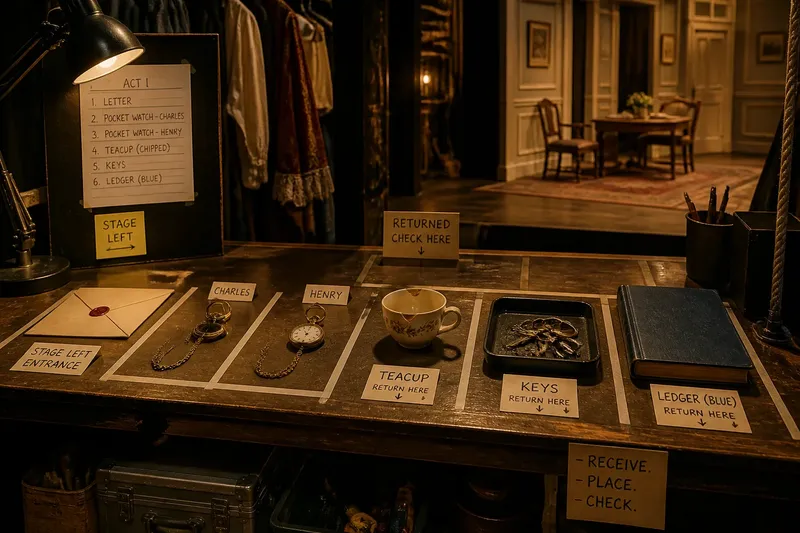
- Check the visibility of important objects and gestures. Watch whether the audience can see a letter, sign of rank, or meaningful movement when it matters. If it is obscured, reposition or enlarge the cue; if it reads clearly, do not add another signal without need.
- Check whether the room carries the words. Listen from different audience areas during rehearsal. If an essential line is hard to catch, adjust delivery or staging; if it is clear, keep the performance natural rather than forcing extra emphasis.
- Check the space after a cue. Notice whether a pause lets the audience absorb a revelation or merely interrupts the scene. If the information needs a moment, allow one; if the action already carries it, move on.
Say a small company is staging a tale about a missing heir for an audience that may not know its source. The starting point is a first scene with an anxious courtier, a sealed letter, and no explanation of the heir’s identity. The director first adds an opening address naming the family crisis. Next, the courtier identifies the heir in dialogue while holding the letter where spectators can see it. Then the company listens to the scene from the back of the room; if the name is unclear, the actor adjusts the delivery, while a clear line stays unchanged. The resulting decision is to keep the address brief and rely on the spoken name and visible letter for the next clue, rather than add a longer explanation. A newcomer can follow the immediate problem, while a spectator familiar with the tale can still notice the production’s choices.
Let the action carry what it can
How audiences followed a play before printed programmes depended on several kinds of knowledge working together: a remembered story, a line that named the stakes, a visible sign, and the social life of the room. The balance changed from one performance to another, so it is more accurate to speak of available tools than to imagine a uniform audience experience.
For a production today, ask whether someone without background knowledge can understand what is happening now, even if a deeper reference passes them by. Use a spoken introduction where it opens the door, then let actors, objects, and staging carry the next clues. A clear entrance to the story does not need to explain the whole house.