A First Visit to an Outdoor Summer Performance
Plan your first outdoor summer performance with a venue-ready bag, a clear sightline, and simple ways to stay comfortable and focused through the show.
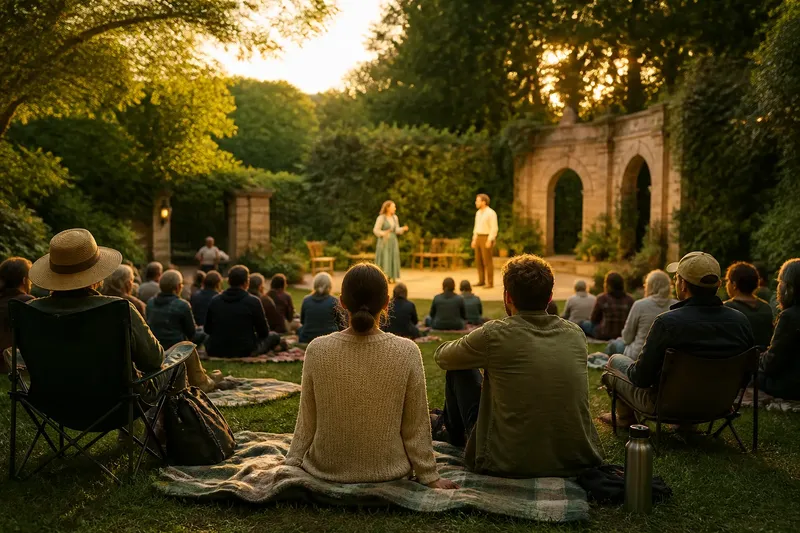
Where should you sit, what should you bring, and how do you follow a play when the breeze, birds, and passing sounds share the space? Your first outdoor summer performance is easier to enjoy when you prepare for the specific venue instead of packing for every possibility. A few simple choices can keep the evening comfortable and your view clear.
Check the venue before packing
An outdoor performance might take place on a lawn, in a garden, beside a historic building, or in an amphitheater. Those settings call for different plans. A blanket works on grass, while fixed benches leave little reason to bring one. A route that looks short on a map can feel less convenient when you are carrying a chair.
Start with the venue’s information. Check the entrance, seating arrangement, rules for personal chairs, food and drink policies, restroom access, and weather plans. If anything is unclear, ask the box office or host. For portable seats, umbrellas, or battery-powered accessories, follow venue policies and the product’s instructions.
Keep your bag small enough to carry easily and tuck away without blocking anyone. Before packing, set your intended items on a table and consider what each one is for. Use these checks to decide what belongs in your bag:
- Seating: Check whether the venue provides seats or expects guests to bring a blanket or low chair. If personal seating is allowed and you need back support, bring a suitable chair; otherwise, use the provided seating or ask the venue about options.
- Weather layer: Check the forecast and the venue’s weather notice. If cool or wet conditions are possible, pack a light sweater or rain shell; if not, leave extra layers at home.
- Water: Check whether refillable bottles are permitted and drinking water is available. If bottles are allowed, bring one; otherwise, follow the venue’s guidance on refreshments.
- Small light: Check whether the route to the exit is unlit and whether the venue permits a small flashlight. If a light would help after the show, keep it off during the performance; otherwise, leave it behind.
- Sun cover: Check whether you will be waiting in direct sun and whether a brim could block a nearby view. If sun protection is useful and will not obstruct others, bring a hat or sunscreen; otherwise, choose another permitted option.
- Personal essentials: Check what you normally need during an outing, including medication. If you need an item, carry it securely; if you are unsure about access or storage, ask the venue before arriving.
Choose a seat with a clear view
Outdoor seating rewards a little thought about height and angle. A blanket keeps you low, while a tall folding chair may block the stage for people behind you. If the venue assigns places, follow its seating plan. If seating is open, choose a spot with a clear view that does not claim a route or crowd another group.
Think about what you want to see. A solo storyteller may be easy to follow from farther back, while a production with expressive movement can lose detail from the edge of a wide playing area. Aim for a place where you can see the performers clearly and avoid paths that guests may cross during the show.
Say you arrive at a lawn where guests are laying out blankets and a narrow path runs along one side. The front is crowded, but a spot farther back gives you a straight view without blocking the path. You settle there and keep your bag close, so people can pass without cutting across your view.
If you are attending with someone who uses a mobility aid, has difficulty hearing, or needs a particular kind of seat, contact the venue in advance about accessible routes and viewing areas. Arrangements vary, so a direct question can help you plan where to enter and sit.
Find the playing area and audience routes
An outdoor stage may not have a raised platform or curtain. The playing area might be marked by a rug, a few chairs, a painted boundary, or simply an open patch between audience sections. Look for signs, ushers, and the direction other guests are facing. These clues help identify where the performance will happen and which routes are meant for audience movement.
Notice the edges as well as the center. Performers may enter from a garden gate or side path. A seat near an entrance can be convenient, but frequent foot traffic may distract you. Choose a little distance from the route when possible.
If you cannot tell whether a space is a seat, an aisle, or part of the playing area, ask an usher. Keep bags, chairs, and blankets out of marked routes, even when the ground looks empty. Performers and guests may need that space.
Arrive early enough to get settled
Arriving with time to spare lets you find the entrance, visit the restroom, and choose a place without rushing. It also gives you a chance to notice how the site works: where guests enter and exit, where staff can help, and whether the ground is uneven or damp. Watch for roots, gravel, and low edges that may be hard to see in a crowd.
Settle your belongings without building a wall around your seat. Put bags under or beside you where they will not spill into an aisle. Silence your phone and dim the screen before the performance starts. If you need to check a message, step away from the audience area when practical.
Leaves, birds, distant traffic, and a nearby train can all affect what you hear. Keep conversation low once the play begins, and avoid trying to talk over sounds you cannot control. A quiet audience gives the performers room to work with the setting.
How do you stay comfortable and follow an outdoor play?
What should I bring to an outdoor summer performance?
Bring only items that suit the venue’s rules and your comfort needs, such as an allowed blanket or seat, a light layer, water, and personal essentials. A small bag is easier to manage and less likely to block someone’s view.
When should I arrive?
Check the ticket or venue notice for entry times, then allow enough time to find the entrance and settle before the performance. An unhurried arrival can make open seating and an unfamiliar site easier to manage.
What should I do if the weather changes?
Read the venue’s weather and cancellation information before leaving, and bring a layer suited to the forecast. If conditions change or the venue adjusts its plan, follow staff announcements.
How can I use my phone without distracting others?
Silence it and keep it out of sight so the screen and notifications do not pull attention from the stage. If you need to use it, step away from other guests when possible and return without crossing the playing area.
Stay focused when outdoor sounds interrupt the play
Once the performance starts, give yourself permission to stop managing the visit. You have checked the route, chosen a sensible seat, and kept useful items close. Now watch how the actors use distance and open air. A passing breeze or a pause after a distant sound can shape a moment without needing explanation.
If ambient noise covers a line, do not strain to reconstruct the entire scene from one missed phrase. Watch the actors’ gestures and listen for the next exchange; the play may provide fresh context as it continues. Staying present does not require perfect concentration. Simply return your attention when it wanders.
Afterward, gather your belongings, take your litter with you, and use the route the venue provides. Leaving the site tidy is a small courtesy to the next audience and an easy way to close out the evening.
A first outdoor summer performance calls for a light, venue-specific plan, not a bag full of solutions to every possible nuisance. Check the rules, choose a clear view, and leave room for the setting to be part of the evening.